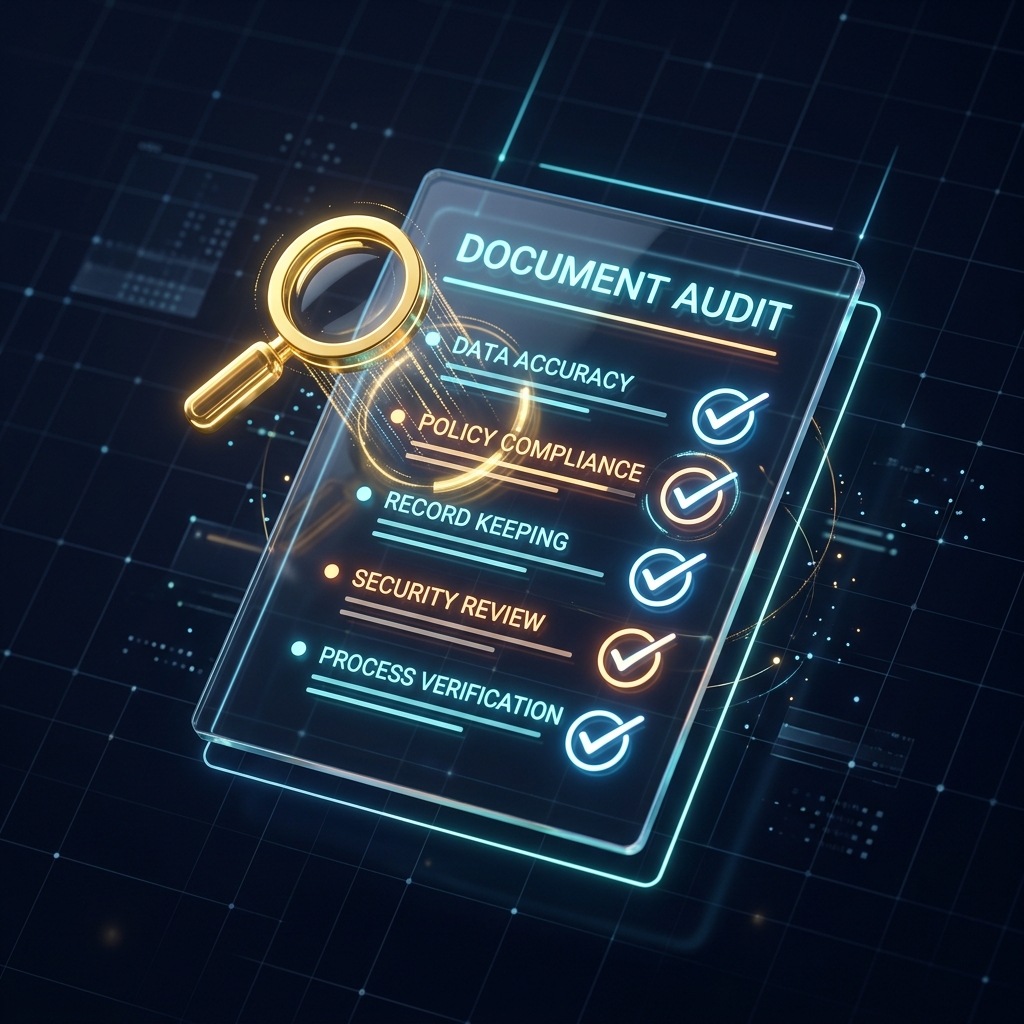
Are you about to sign a multi-year contract with a business VoIP provider? Before you commit to a seat-based plan, you should carefully audit the agreement.
Traditional phone service contracts are often structured to favor the vendor, using lock-in clauses, hidden fees, and restricted number portability.
VoIP sales pitches typically focus on standard software features like desktop apps, chat capabilities, and customer support.
To evaluate the true cost and flexibility of a phone system, you need to ask more detailed technical questions.
Here is the checklist of 12 questions you should ask a VoIP vendor before signing a service contract.
Section 1: Exposing Hidden Fees and Billing Markups
Retail phone providers often add hidden surcharges to inflate their basic per-seat rates. Use these questions to identify them:
1. “Can you provide a complete list of administrative surcharges not included in the seat fee?”
Providers routinely add arbitrary, non-government fees (often labeled “Regulatory Recovery Fees” or “Universal Connectivity Charges”) that can increase your monthly bill by 10% to 20%.
2. “How much do you charge for E911 emergency registration per phone number?”
Wholesale carriers lease E911 registration for under $0.75 per month. Retail providers often charge $1.50 to $3.00 per line, marking up a basic safety service.
3. “Do you charge seat licenses for inactive lines, conference rooms, or shared office areas?”
If a provider requires a full $30/month user license for a line that is rarely used, you are paying a significant markup. For a comparison of actual usage costs, review our analysis of raw Twilio phone number pricing.
Section 2: Evaluating Call Deliverability and Cryptographic Security
Outbound call delivery depends on how your provider routes voice traffic and signs caller ID headers:
4. “What STIR/SHAKEN attestation level do you assign to our outbound calls?”
To prevent your calls from being flagged as “Spam Risk,” you want Level A (Full) attestation. If they sign with Level B or C, carriers may block your calls. For more on this, read our STIR/SHAKEN attestation level guide.
5. “Are our phone numbers routed through shared, recycled caller ID pools?”
If your provider uses shared number pools, your caller ID reputation can be damaged by other businesses on the same network.
6. “Are voice streams and signaling fully encrypted using SRTP and TLS?”
Ensure your call audio is encrypted on the network. If the provider relies on legacy, unencrypted SIP routing, your system is vulnerable to toll fraud and eavesdropping.
Section 3: Protecting Number Portability and Exit Rights
Avoid vendor lock-in by confirming you maintain full ownership of your business numbers:
7. “Do we maintain complete, direct ownership of our phone numbers from day one?”
Confirm the contract does not restrict your right to transfer numbers to another carrier.
8. “What is the exact porting process and timeline if we decide to leave your service?”
Ensure the vendor cannot charge administrative fees or drag out the timeline to prevent you from transferring your lines.
9. “Are there auto-renewal clauses that extend our contract without written consent?”
Many enterprise VoIP contracts include auto-renewal clauses that lock you into another 12 to 36 months if you don’t submit opt-out paperwork 60 days before the contract ends.
Section 4: Auditing API Integration and Customization Freedom
A closed, proprietary phone system limits your ability to integrate voice data with other business tools:
10. “Can we access our raw call logs and voice recordings programmatically via an API?”
Ensure you can export your communication data without paying for premium integration upgrades.
11. “Do we have to pay integration fees to connect our CRM or database?”
Many retail providers charge extra to connect standard CRM platforms.
12. “What happens to our calling capabilities if your centralized servers experience an outage?”
If a retail provider’s central cloud goes down, your phone system goes offline. With a decoupled architecture, you can simply route your lines to an alternative client.
Summary Checklist for Contract Negotiations
Review this checklist during your vendor evaluation:
| Contract Dimension | Risk Level | Target Verification |
|---|---|---|
| Regulatory Surcharges | High | Demand a mock invoice showing all non-tax fees. |
| Silent Seat Fees | High | Request usage-only pricing for low-volume lines. |
| STIR/SHAKEN Trust | High | Confirm Level A attestation in writing. |
| Number Ownership | Critical | Verify no restrictive porting clauses exist. |
| Contract Auto-Renew | Critical | Strike out auto-renewal text before signing. |
If a provider avoids answering these questions, they are likely hiding significant markup margins or restrictive terms.
The Bottom Line
Before signing a business VoIP contract, you must look beyond basic software features and audit the underlying billing and routing terms. Asking detailed questions about hidden fees, number portability, and STIR/SHAKEN attestation helps protect your company from high markups and vendor lock-in. Shifting to a decoupled telecom architecture allows you to bypass these contract challenges entirely by leasing numbers directly from a wholesale carrier and using a flat-rate zero-code softphone client.
Ready to Escape Bloated VoIP Contracts?
Blueprint Softphone provides a premium, zero-code frontend interface that connects your team directly to your Twilio account, eliminating contract lock-in and middleman markups. Audit your potential savings using our VoIP Seat ROI Calculator, read our guide on exposing hidden invoice fees, or Get Started Free to connect your lines in under ten minutes.
Brent Pope
Founder, Blueprint Softphone · 40+ years enterprise IT
Related Articles

The True Cost of a Twilio Phone Number: What You Actually Pay Per Month
Wondering what a Twilio phone number actually costs? Learn the exact carrier pricing breakdown for lines, calls, and SMS to calculate your…

What Happens to Your Phone Numbers When Your VoIP Provider Goes Bankrupt?
Is your business vulnerable to vendor insolvency? Learn how FCC number ownership rules work and why direct carrier leasing protects your lines.

The Number Porting Cheat Sheet: How to Move Your Business Lines to Twilio Without Downtime
Terrified your phone lines will go dark during a carrier transfer? Use this step-by-step cheat sheet to port your business numbers to…